
XIA Oil is a cold-pressed chia oil naturally rich in omega-3 ALA, developed to add healthy fats with neutral taste and formulation versatility.
XIA Oil
- Technical reference
- Cold-pressed chia seed oil · mechanical extraction, solvent-free
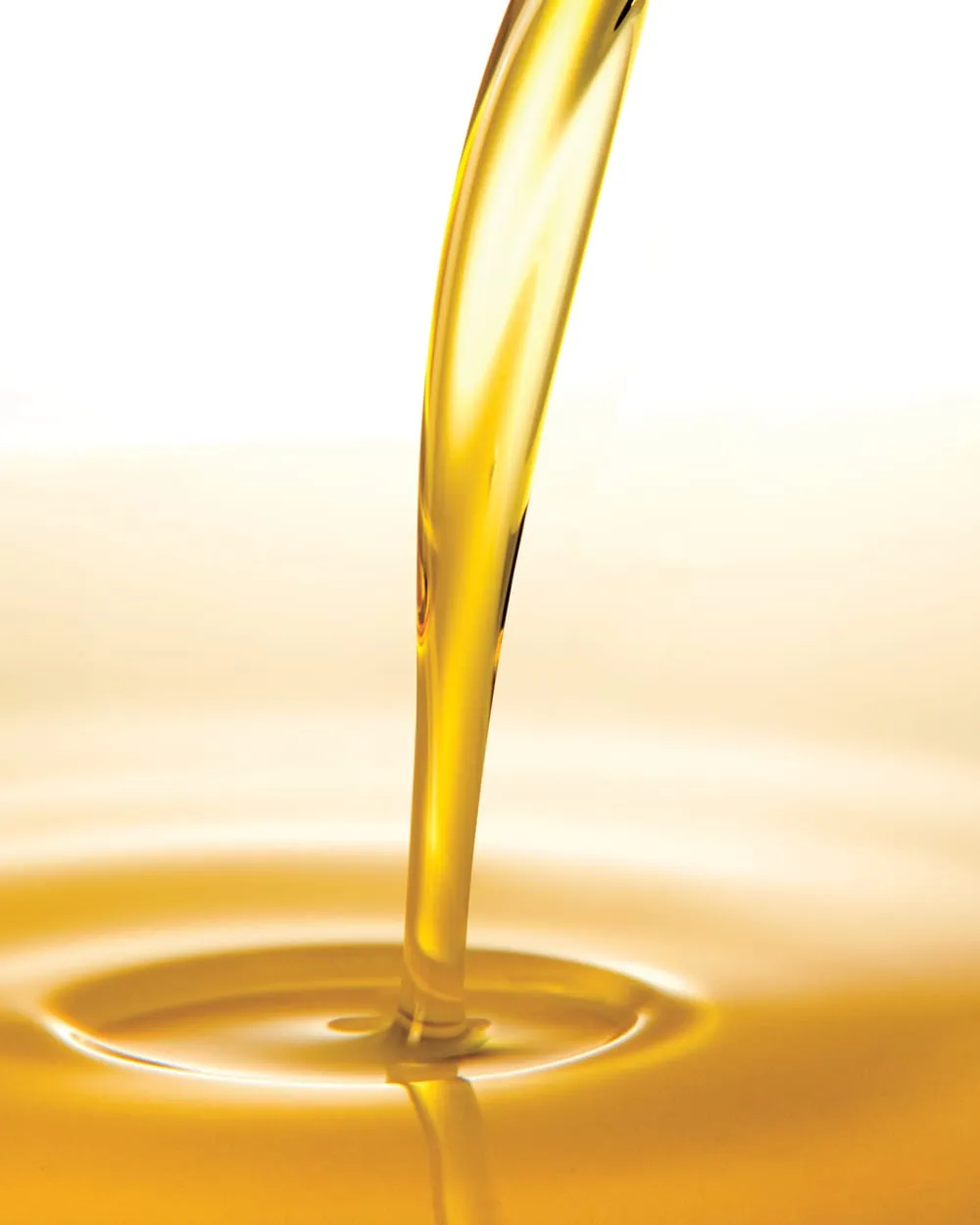
About XIA Oil
Chia oil helps incorporate healthy fats into clean-label formulations while enhancing their nutritional and lipid profile across a wide range of applications.
Alpha-linolenic acid (ALA) is an essential omega-3 fatty acid that the human body cannot produce and therefore must obtain through the diet. As a dietary precursor to EPA and DHA, ALA plays a distinct role in omega-3 nutrition.
Benexia XIA Oil is a cold-pressed, extra virgin, unrefined chia seed oil obtained exclusively through mechanical extraction without solvents. With more than 63% alpha-linolenic acid (ALA), it provides the highest concentration of omega-3 among edible oils. Benexia XIA Oil has enhanced oxidative stability thanks to its controlled processing that preserves its naturally occurring tocopherols, phytosterols and polyphenols.
Benexia XIA Oil has a light, delicate nutty flavor that integrates into a wide variety of food, beverage, and dietary supplement formulations.
A functional plant-based omega-3 for formulation
XIA Oil combines more than 63% omega-3 ALA with a mild sensory profile and clean-label processing, providing a versatile functional lipid for food, beverage and nutraceutical formulations.
Designed for formulation
- High omega-3 ALA concentration
- More than 63% ALA enables effective plant-based omega-3 enrichment at efficient inclusion levels.
- Mild sensory profile
- Light, delicate nutty taste with no characteristic marine taste or odor.
- Controlled oxidative stability
- Carefully controlled processing helps preserve the quality of its highly unsaturated lipid profile.
- Clean-label processing
- Mechanically cold-pressed without chemical solvents or refining.
- Functional lipid carrier
- Provides a lipid matrix for oil-soluble ingredients and bioactive compounds.
- Versatile across applications
- Suitable for gummies, bars, meal replacements, beverages, oil blends, spreads and supplements.
Functional properties
- Supported by its antioxidants, helping maintain quality throughout shelf life.
- A light, delicate sensory profile with a mild nutty taste that integrates smoothly into formulations.
Chia oil composition
- 82.2% Polyunsaturated63% omega-3 (ALA) · 19% omega-6 (LA)
- 10.5% Saturated
- 7.2% Monounsaturated7% omega-9 (oleic)
Naturally present: tocopherols · polyphenols · phytosterols
Chia oil fatty acid composition
Per 100 g of oil
Create nutrient-dense products.
Elevate nutritional value through meaningful levels of essential omega-3 ALA.
Support clean-label product development.
Formulate with a simple, single-source oil ingredient that fits naturally into clean-label concepts.
Source with purpose.
Build on a traceable South American supply chain rooted in responsible sourcing and regenerative agricultural practices.
Build on dedicated lipid science.
Benefit from decades of chia expertise and specialized research that supports chia oil development.
-
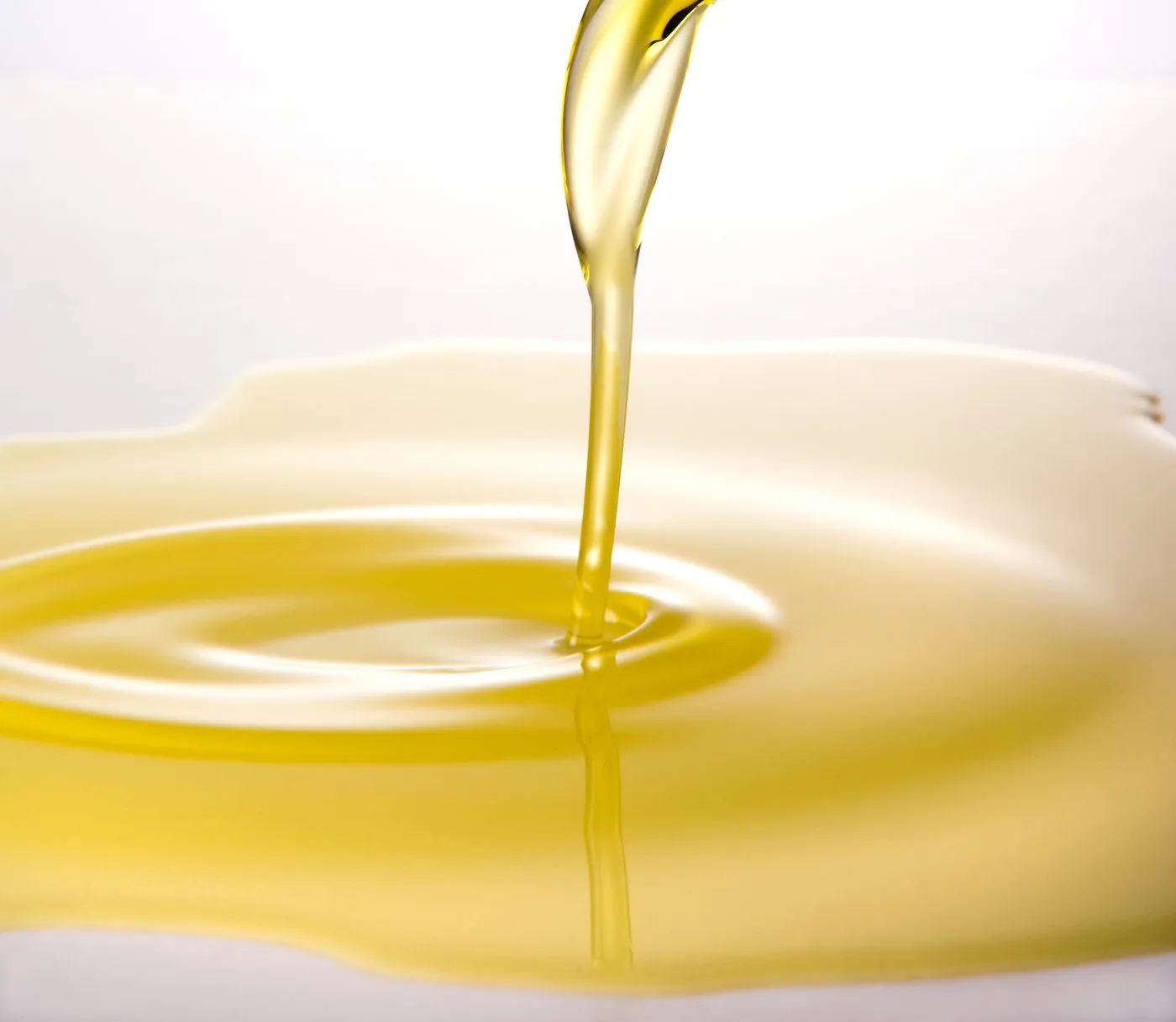
Drizzle. Cook. Bake. Nourish.
-

More than just another protein bar.
-
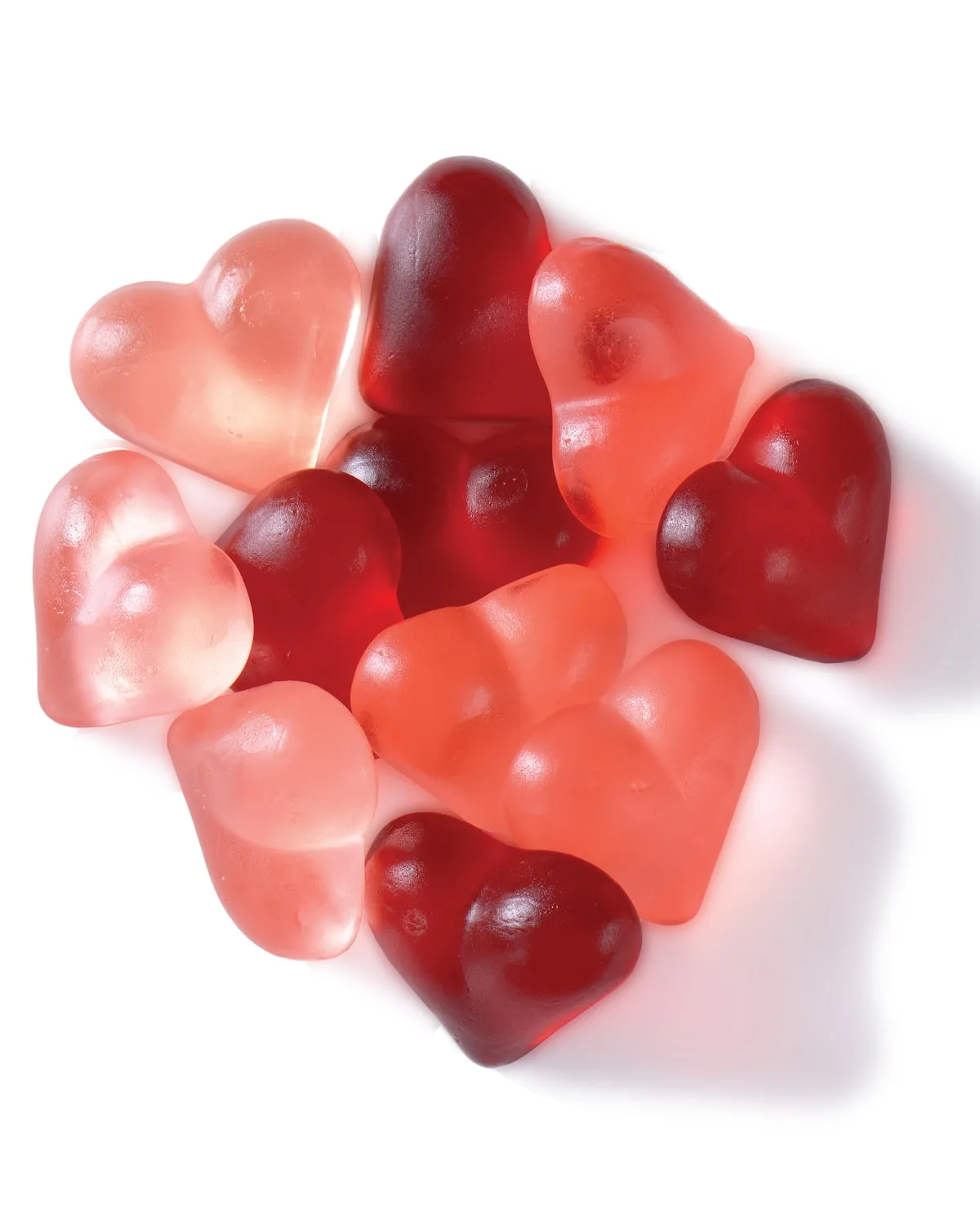
Who said omega-3 couldn’t taste this good?Plant-based omega-3 ALA for gummies and chewable supplements, with a mild sensory profile.
-

Complete liquid nutrition for active lifestyles.
-
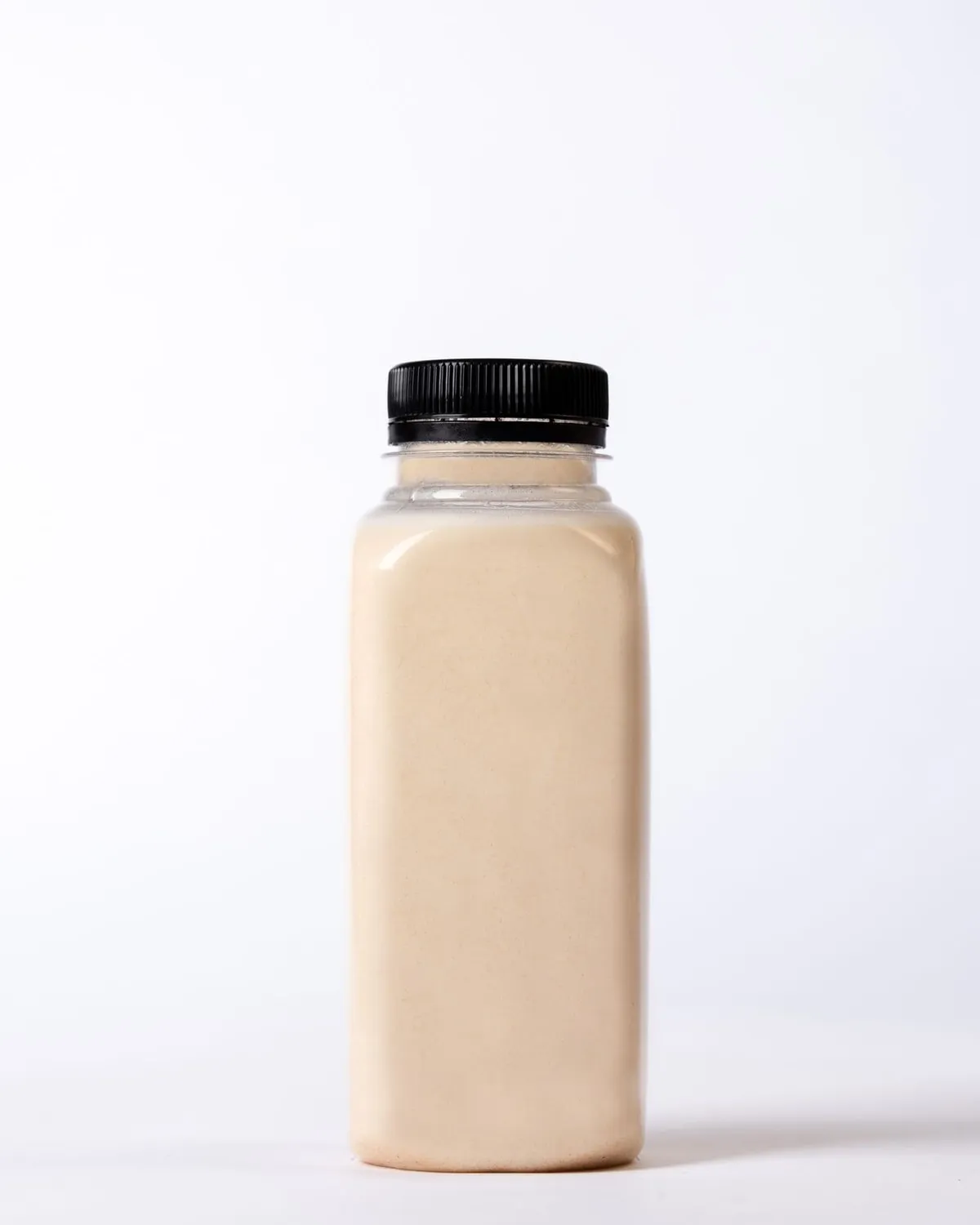
What if complete nutrition included a meaningful source of omega-3 ALA?Omega-3 enrichment for RTD meal replacements and nutritional beverages.
-
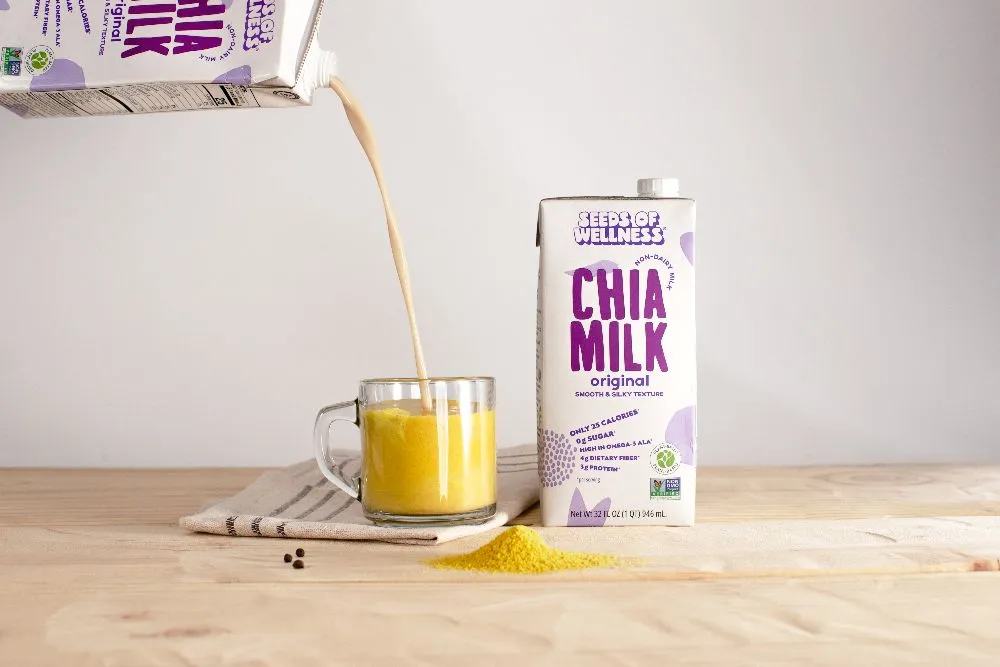
An enjoyable plant-based beverage delivering up to 1,500 mg of omega-3 ALA.
-
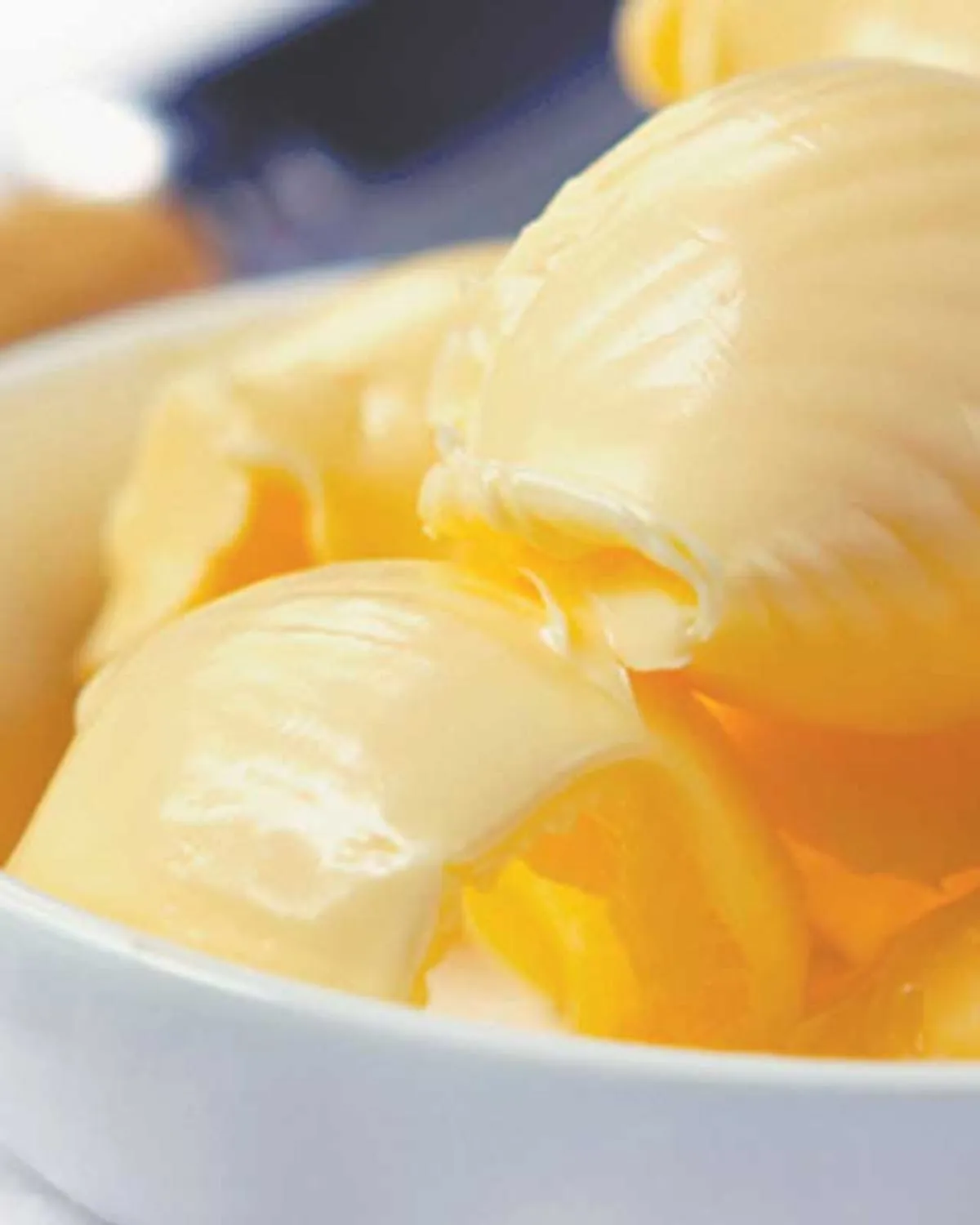
Better nutrition. Same performance. Just 5% chia oil.
Inspired by science. Designed for innovation.
Ready to bring your next omega-3 innovation to life?
Talk to our team




The role of ALA in omega-3 metabolism
ALA is the dietary starting point for the endogenous synthesis of EPA and DHA. While its role has traditionally been assessed through conversion rates and circulating fatty acid levels, these measures provide only part of the picture.
Research using isotope-tracing techniques is expanding our understanding of ALA metabolism by tracking how fatty acids are synthesized, utilized, and renewed across tissues. This dynamic process, known as turnover, helps explain why ALA’s contribution cannot be defined by a single conversion percentage alone. These findings also indicate that DHA does not reconvert to EPA, reinforcing the essential role of ALA in maintaining balanced omega-3 levels.
Together, these insights provide a more complete picture of how dietary ALA contributes to the body’s ongoing omega-3 metabolism.
Certifications & labels







Company certifications



*Health and nutrient-content claims vary by country. Please refer to local labeling regulations or contact us to discuss the claims allowable in your market.
Frequently asked questions
What is XIA Oil?
XIA Oil™ is Benexia’s cold-pressed chia seed oil and a concentrated source of essential Omega-3 ALA. With more than 63% alpha-linolenic acid (ALA), it is designed for manufacturers seeking to enhance the nutritional and lipid profile of food, beverage, and dietary supplement formulations.
Where does chia oil come from?
Chia oil is obtained from the seeds of Salvia hispanica L., an ancient crop native to the Americas. Benexia has specialized in chia for more than 20 years, developing expertise from agricultural sourcing through ingredient production and providing a traceable source of Omega-3 ALA from a single botanical origin.
How is XIA Oil produced?
XIA Oil is obtained through cold pressing and mechanical extraction, with no chemical solvents. This process minimizes exposure to high temperatures and helps preserve the oil’s nutritional characteristics.
Why is chia oil a concentrated source of plant-based Omega-3?
Chia seeds naturally contain approximately 30% oil, with an exceptionally high proportion of alpha-linolenic acid (ALA). XIA Oil contains more than 63% ALA, an essential Omega-3 fatty acid that must be obtained through the diet, making it a highly concentrated botanical source of Omega-3.
How stable is XIA Oil despite its high PUFA content?
XIA Oil combines a high polyunsaturated fatty acid content with naturally occurring tocopherols, polyphenols, and phytosterols. These bioactive compounds contribute to its oxidative stability, helping maintain product quality throughout shelf life under recommended storage conditions.
How is chia oil different from fish oil or algae oil?
Chia oil provides Omega-3 primarily as ALA, whereas fish oil and many algae oils are used as direct sources of EPA and/or DHA. These sources provide different forms of Omega-3 and should not be considered nutritionally identical. XIA Oil can complement marine sources by providing essential ALA as part of a broader Omega-3 nutrition strategy.
What food and dietary supplement applications can XIA Oil be used in?
XIA Oil can be incorporated into food, beverage, and dietary supplement formats including liquid meal replacements, plant-based beverages, gummies, edible oils and oil blends, margarines and spreads, and other nutritional products. Its concentrated ALA content and oil format allow Omega-3 nutrition to be incorporated across different product concepts, subject to applicable market regulations.
Is XIA Oil suitable for vegan and clean-label formulations?
Yes. XIA Oil is 100% plant-derived and suitable for vegan and plant-based product concepts. As a single-source oil ingredient, it can support clean-label product development. Specific labeling and claim requirements should always be evaluated according to the regulations of the market where the finished product is sold.
Can XIA Oil be used as more than an Omega-3 source?
Yes. In addition to delivering more than 63% ALA, XIA Oil can function as a lipid ingredient within a formulation. Its oil matrix can provide a carrier for oil-soluble ingredients and bioactive compounds, extending its role beyond Omega-3 enrichment alone.
How does Benexia support a reliable long-term supply of chia oil?
Chia is an established agricultural crop that can be cultivated annually across different growing regions and, as a plant-based Omega-3 source, does not depend on marine resources. Benexia’s long-standing agricultural relationships and diversified sourcing help support quality, traceability, and continuity of supply over the long term.
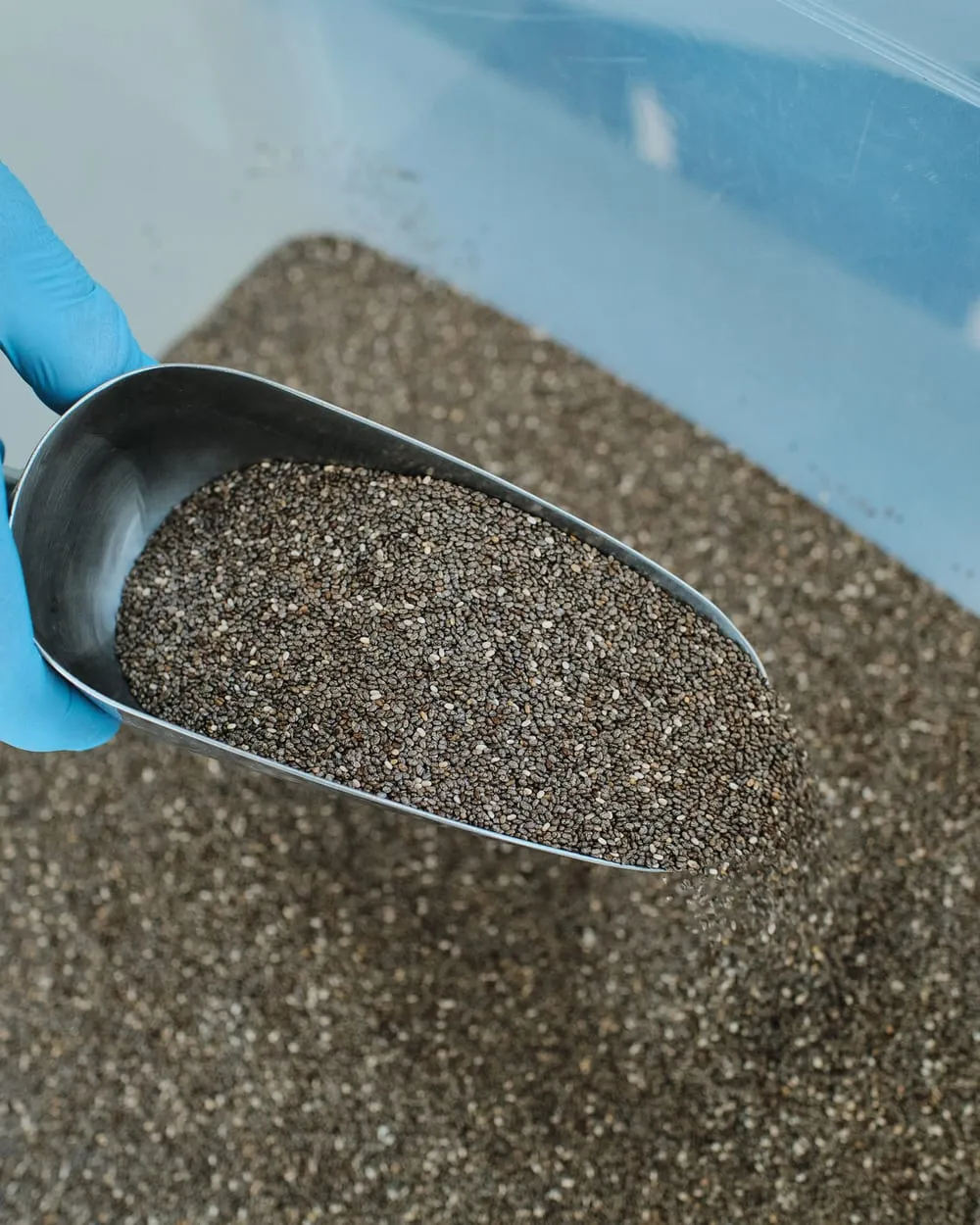
Let's build your next formulation with chia.
Request samples, technical data sheets and regulatory documentation — or talk directly with our ingredient specialists about your market and application.